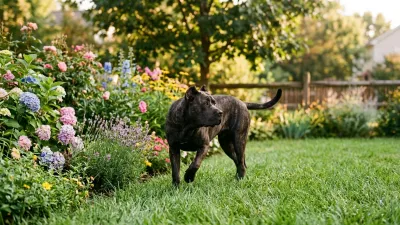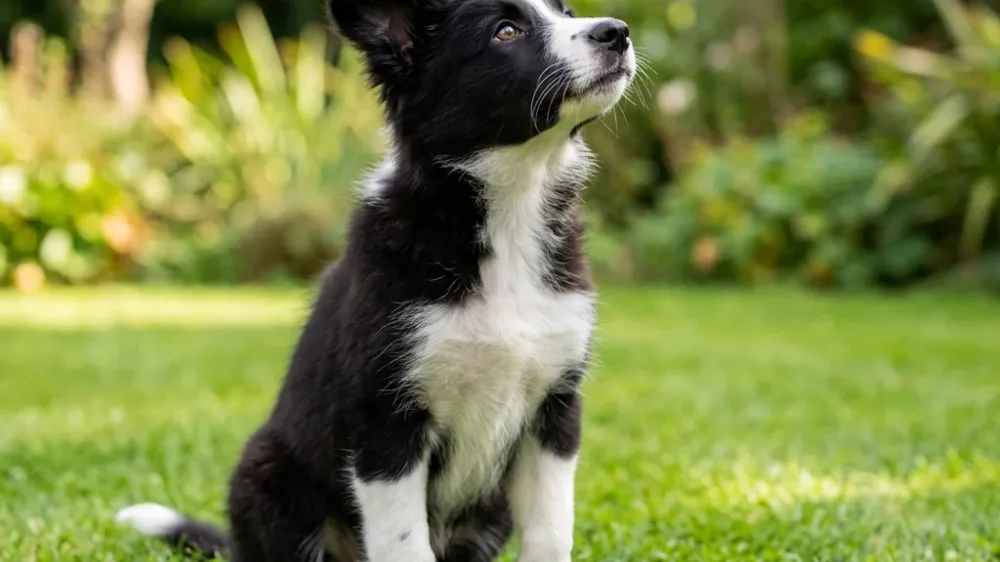
Teaching a puppy the leave it command is one of the most effective ways to build impulse control and prevent your pet from ingesting toxic substances, chewing household items, or grabbing unsafe objects off the street. Unlike basic obedience cues, leave it is a preventive directive that instructs your dog to disengage from a trigger before they physically touch or pick it up.
📋 In This Guide
Why the Leave It Cue Is Key for Safety#
A reliable leave it response protects your puppy from life-threatening hazards like chocolate, dropped prescription medication, chicken bones, or toxic garden plants. Beyond emergency safety, mastering this command helps curb impulse-driven behaviors such as jumping, chasing wildlife, or snatching food off counter surfaces.
When paired with early puppy socialization and consistent leash work using a well-fitted harness, the leave it command serves as the foundation for polite, safe behavior in public and home environments alike.
⚠️ Safety Warning: Never use an item that your puppy has already picked up to practice leave it. If your puppy already has an object in their mouth, you must use the drop it command instead. Forcing a puppy to yield an item using the wrong command can trigger resource guarding.
Key Preparation and Setup#
To train this command efficiently, you need two distinct types of rewards: a standard-value treat (such as kibble or dry biscuits) and a high-value reward (such as fresh chicken, freeze-dried liver, or small soft training treats).
Zuke's Mini Naturals Dog Treats
Low-calorie, high-value training treats designed for rapid reward repetition during intense impulse control practice.
Having two reward tiers creates the core dynamic of the exercise: your puppy learns that ignoring something mediocre leads to receiving something far superior.
💡 Pro Tip: Keep your training sessions short, lasting between three to five minutes, two or three times per day. Young puppies lose focus quickly, and frequent short sessions build muscle memory far faster than long, exhausting sessions.
Step-by-Step Guide: How to Teach Leave It#
Step 1: The Hidden Fist Method#
- Place a standard treat in your palm and close your hand into a tight fist.
- Present your closed fist to your puppy, keeping it about two inches from their nose.
- Do not state the command word yet. Allow your puppy to sniff, lick, paw, or nudge your hand.
- The exact moment your puppy backs away, stops touching your hand, or turns their head, mark the behavior by saying “yes!” or clicking your training clicker.
- Immediately deliver a high-value treat from your opposite hand.
- Repeat this sequence 10 to 15 times until your puppy immediately backs off when your fist is presented.
Step 2: Adding the Verbal Cue#
- Present your closed fist with the standard treat inside.
- Clearly state the cue “Leave it” once as you present your hand.
- Wait silently for your puppy to pull back. Avoid repeating the cue multiple times.
- Mark the disengagement with “yes!” as soon as they step back, then reward with the high-value treat from your opposite hand.
Step 3: The Open Palm Challenge#
- Place the standard treat in your open palm.
- Say “Leave it” and hold your open hand out toward your puppy.
- If your puppy moves toward the treat, quickly close your hand into a fist before they can snatch it. Do not scold them.
- Re-open your palm once they step back.
- When your puppy looks at the open hand and refrains from reaching for the treat for two full seconds, mark with “yes!” and reward from your other hand.
Step 4: Floor Progression#
- Place a low-value treat on the floor and cover it with your hand or shoe.
- Say “Leave it.”
- Wait for your puppy to stop sniffing or pawing at your hand or shoe and look up at you.
- Mark the moment they offer eye contact (“yes!”) and reward them with a high-value treat from your pocket or treat pouch. Never let them eat the treat off the floor that you instructed them to leave.
Step 5: Proofing in Real-World Scenarios#
Once your puppy reliably leaves treats on the floor inside your quiet living room, gradually increase the difficulty:
- Drop items from standing height while giving the command.
- Walk past tantalizing items while practicing loose-leash walking.
- Practice leaving non-food items like socks, shoes, or toys.
- Combine this training alongside standard routines like potty training and crate training so the rules stay the same everywhere.
Leave It vs. Drop It: Key Distinctions#
Understanding the operational differences between these two foundational impulse cues is critical for effective communication.
| Feature | Leave It | Drop It |
|---|---|---|
| Primary Goal | Prevent contact with an object before touching it. | Release an object already held in the mouth. |
| Timing | Issued before physical contact occurs. | Issued after physical contact or picking up. |
| Typical Triggers | Distractions on walks, dropped food, running cats, trash. | Toys, stolen socks, sticks, retrieved items. |
| Core Concept | Ignore that completely and look at me. | Trade what you have for something better. |
If your puppy struggles with biting or mouthing hand gestures during training, combine these exercises with our tips on how to stop a puppy from biting hands. Reliable recall training also helps your puppy return to you quickly after leaving a distraction.
Common Mistakes to Avoid#
- Repeating the Cue Multiple Times: Saying “leave it, leave it, leave it” creates background noise and teaches your dog that they can ignore the initial word. Say the cue once and wait.
- Feeding the Forbidden Item: Never allow your puppy to eat the item you told them to leave. The reward must always come from a secondary, high-value source.
- Using an Angry Tone: Leave it is an instruction, not a punishment. Speak in a firm, neutral tone to prevent anxiety or resistance.
- Moving Too Fast: Escalating from a closed fist to dropped bacon on a busy sidewalk within two days leads to frustration. Build distraction levels step by step.
💡 Related Guide: Build on this with a solid sit; see how to teach a puppy to sit.
Frequently Asked Questions#
How long does it take for a puppy to learn the leave it command?#
Most puppies grasp the basic mechanics of the closed fist exercise within two to three short sessions. However, proofing the command across high-distraction environments (such as outdoor walks or around other dogs) typically requires three to four weeks of daily, consistent practice.
What if my puppy keeps biting or pawing at my hand during practice?#
If your puppy nips or paws aggressively at your hand, do not pull your hand away rapidly, as sudden movement triggers prey drive. Keep your hand completely still. Alternatively, cover the treat under a heavy shoe or mug on the floor so your skin remains protected while they learn.
Can I use leave it for distractions other than food?#
Yes. Leave it applies to any environmental distraction, including outdoor cats, moving bicycles, unfamiliar dogs, household shoes, or people walking past. Once the concept is established using food rewards, apply the cue whenever your puppy fixes their attention on an unwanted trigger.
Summary: Leave It Mastery Blueprint#
Teaching your puppy leave it requires patience, consistency, and clear value differentiation between rewards. Focus on rewarding disengagement, keep training sessions short, and always maintain the boundary between preventing contact (leave it) and releasing items (drop it). With persistent daily repetitions, your puppy will default to looking at you for direction whenever encountering unexpected temptations.