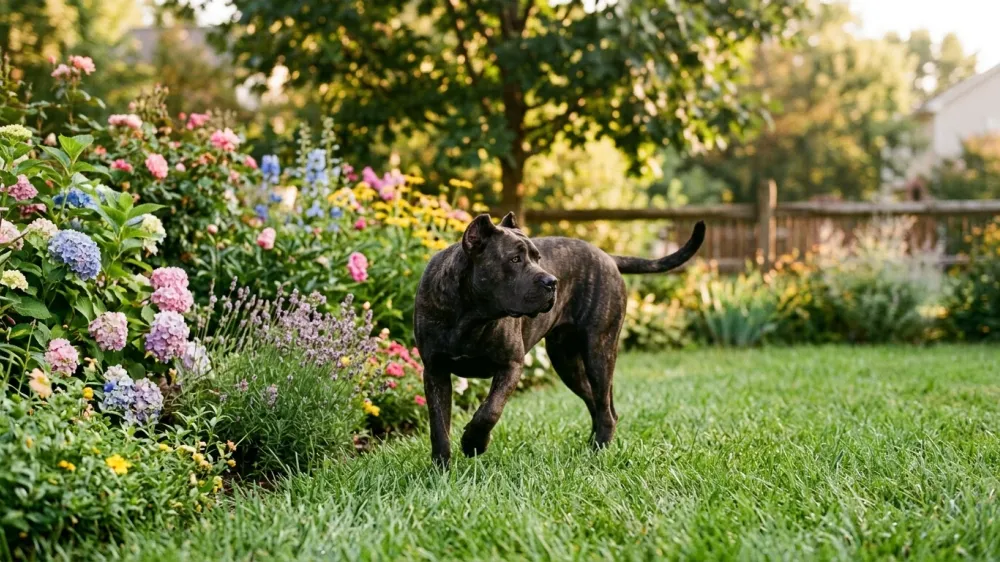
While there is no single federal law banning specific dog breeds across the entire United States, dog owners face a complex patchwork of state statutes, municipal ordinances, military housing bans, and private insurance blacklists. Understanding these rules before bringing a puppy home helps protect your dog and your housing.
This guide breaks down the three main types of dog restrictions in the United States: state wolfdog laws, local Breed-Specific Legislation (BSL), and insurance breed lists.
⚠️ Laws Change Often: This page reflects our understanding as of October 2026 and is general information, not legal advice. Breed rules are set by states, cities, and counties and are updated often, so always check your state law, your city and county ordinances, any military or public housing rules, your landlord or HOA rules, and your insurance policy before you choose a breed.
📋 In This Guide
1. Wild Canid & Wolfdog State Regulations#
Some states restrict or ban wolfdogs (wolf-dog crosses), often under exotic animal rules, rather than standard domestic breeds. Because wolfdogs can be hard to contain and less predictable than domestic dogs, many states regulate them under exotic animal rules.
State Legal Classifications for Wolfdogs:#
- Prohibited: Some states ban private ownership of wolfdogs outright.
- Permits & Enclosures Required: Other states allow ownership only with a permit, often with fencing and enclosure requirements.
- Left to Local Rules: Some states treat wolfdogs like other dogs and leave the details to counties and cities.
Wolfdog rules vary widely and change, so check with your state wildlife agency and your county before bringing one home.
2. Breed-Specific Legislation (BSL) Explained#
Breed-Specific Legislation refers to local municipal laws, city codes, or county ordinances that either ban specific domestic breeds outright or place strict legal burdens on their owners.
In recent years, some places have dropped or eased their breed bans. Denver voters repealed the city’s pit bull ban in 2020, but pit bull-type dogs there still need a city breed-restricted permit. In Florida, a 2023 state law ended Miami-Dade County’s long-standing pit bull ban, and Florida law now bars local breed-specific rules. Many towns in other states still enforce BSL, and military installations and some landlords and HOAs have their own breed rules.
Breeds Often Named in Breed Rules:#
- American Pit Bull Terrier
- American Staffordshire Terrier & Staffordshire Bull Terrier
- American Bully & Dogo Argentino
- Rottweiler
- Cane Corso & Presa Canario
- Doberman Pinscher
- Chow Chow & Akita
Typical BSL Restrictions and Requirements:#
Where full bans are not in place, local ordinances may require:
- Public Muzzling: Requiring listed breeds to wear a muzzle in public.
- Leash Rules: Short leash limits in public places.
- Liability Insurance: Requiring owners to carry dog liability insurance.
- Secure Confinement: Rules for locked or covered kennels and fencing at home.
BSL and Legal Status Comparison Matrix#
| Breed | How Often Named in BSL | Common Municipal Restrictions | Housing / Insurance |
|---|---|---|---|
| American Pit Bull Terrier | Often named | City bans, muzzling rules, liability bonds | Often restricted by insurers |
| Rottweiler | Sometimes named | Public leash restrictions, confinement rules | Often restricted by insurers |
| Doberman Pinscher | Sometimes named | Occasional local restriction | Sometimes restricted |
| German Shepherd Dog | Rarely named | Subject to landlord weight/breed limits | Varies by insurer and landlord |
| Cane Corso / Presa Canario | Sometimes named | Guardian breed containment mandates | Sometimes restricted |
| Wolfdog Hybrid | Regulated by many states | State ban or exotic permit in some states | Often restricted by insurers |
3. Homeowners & Renters Insurance Blacklists#
Even in states with laws that stop cities from banning breeds, homeowners and renters insurance companies in most states set their own rules. A few states, including Nevada and New York, limit insurers from refusing or cancelling a policy based on breed alone, so check your state’s rules and your policy.
Many insurance providers keep a list of breeds they restrict. Owning a blacklisted dog can cause policy cancellations, higher premiums, or the exclusion of dog-bite liability coverage.
Breeds Often Named on Insurance Lists:#
- Pit Bull Terriers & American Bullies
- Rottweilers
- Doberman Pinschers
- German Shepherd Dogs
- Chow Chows
- Akitas
- Alaskan Malamutes & Siberian Huskies
- Presa Canarios
- Great Danes (certain carriers)
- Wolf Hybrids
💡 Pro Tip: If you own a guardian or working breed, ask carriers whether they judge individual dogs on their bite history rather than breed. Some do, and policies change, so get the answer in writing.
Practical Steps if You Own an Often-Restricted Breed#
If you own a powerful working or guardian breed, a little preparation can make housing and insurance conversations easier:
- Earn the AKC CGC Title: Passing the AKC CGC test shows your dog has good public manners. It is not a legal exemption, but it gives you a training record you can show if you ask a landlord or insurer for an exception.
- Invest in Early Socialization: Expose your young puppy to diverse sights, sounds, humans, and friendly dogs during the early weeks at home. Our guide on how to socialize a puppy before vaccines shows how to start safely.
- Use Comfortable, Compliant Gear: Where local rules require a muzzle, a well-fitted basket muzzle lets your dog pant, drink water, and take treats. Pair it with a good walking setup; see harness vs collar for puppies.
Baskerville Ultra Dog Muzzle
A basket muzzle that lets a dog pant, drink, and take treats, useful where local rules require muzzles in public.
- Keep Good Records: Keep obedience class certificates, vet records, and vaccination history in one organized binder.
Wondering how big your puppy will get? Try our puppy weight calculator.