The primary socialization window for puppies closes between 12 and 16 weeks of age, well before most puppies receive their final round of core vaccinations. Waiting until your puppy is fully vaccinated at 16 weeks to begin exposure work drastically increases the risk of fearfulness, environmental anxiety, and reactivity later in life. According to the American Veterinary Society of Animal Behavior (AVSAB), behavioral issues are the leading cause of death for dogs under three years old. Balancing infectious disease prevention with early exposure is not only possible, it is key for raising a confident, well-adjusted dog.
Once your vet clears your puppy for public outings, keep building on the same calm, positive approach.
📋 In This Guide
Understanding Disease Risk vs. Behavioral Needs#
During the early weeks of life, maternal antibodies naturally protect young puppies. As these antibodies fade, understanding when puppies get their first shots helps you coordinate safe exposure windows around their vaccine series, protecting them as they encounter new sights, sounds, textures, people, and vaccinated dogs.
Safe socialization does not mean taking your puppy to high-traffic public areas or dog parks. Instead, it means controlled, low-risk exposures that build positive emotional responses without placing your puppy’s paws on potentially contaminated ground.
⚠️ Safety Warning: Parvovirus can survive in soil and on outdoor surfaces for months or even years. Never allow an unvaccinated or partially vaccinated puppy to walk on public grass, sidewalk areas, pet store floors, or dog park grounds.
| Area or Exposure | Risk Level | Safety Strategy |
|---|---|---|
| Dog parks and public grass | Extreme Risk | Avoid completely until 1 to 2 weeks after final vaccinations. |
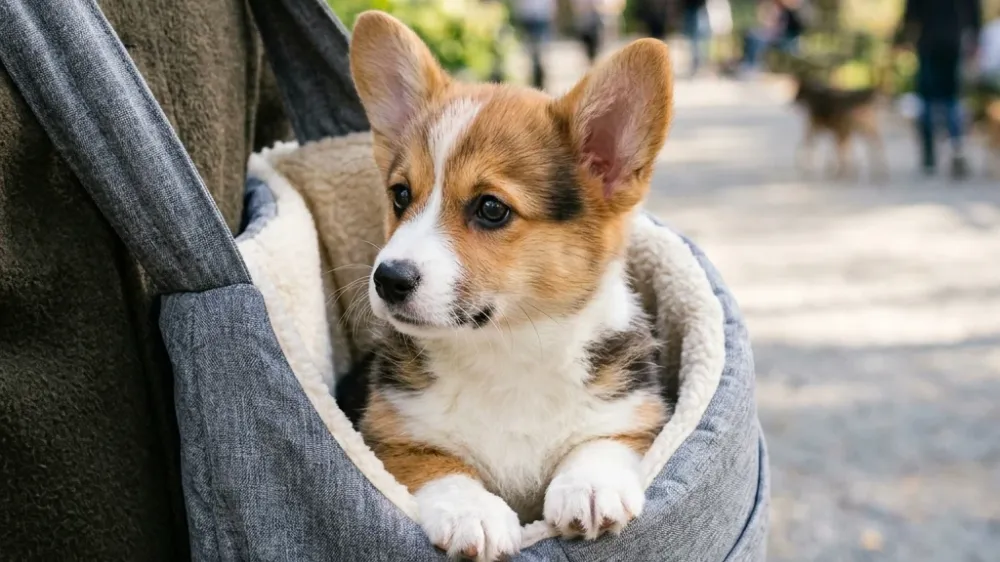
| Pet stores and parking lots | High Risk | Carry your puppy in a carrier or stroller; do not set on ground. |
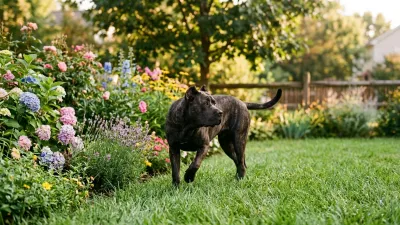
| Private, fenced yards (known vaccinated dogs) | Low Risk | Safe if no unknown or unvaccinated dogs have visited. |
| Puppy socialization classes | Low Risk | Choose sanitizing facilities requiring age-appropriate vaccines. |
| Friends’ homes (no resident illness) | Low Risk | Safe for indoor visits and controlled, ground-free greetings. |
Core Rules for Safe Pre-Vaccination Socialization#
Socialization is not about physical contact; it is about positive visual, auditory, and environmental exposure. Follow these fundamental rules to keep your puppy safe while building confidence.
1. Elevate Your Puppy in Public#
When taking your puppy into public spaces, keep them off the ground completely. Use a puppy sling, backpack, pet stroller, or simply carry your puppy in your arms. This allows your puppy to see traffic, hear construction noises, observe strangers, and watch bicycles pass by without any direct exposure to contaminated surfaces.
2. Control All Dog Interactions#
Your puppy should only interact directly with adult dogs that you know are healthy, fully vaccinated, and friendly toward puppies. Avoid dog parks, community yards, or approaching strange dogs on leashes. Early negative experiences with aggressive or overly intense adult dogs can cause lasting fear, so quality of exposure always trumps quantity.
If your puppy tends to mouth or nip during early greetings, see our guide on how to stop a puppy from biting hands.
3. Focus on Sound and Surface Desensitization#
Expose your puppy to a wide range of household and outdoor sounds at a low, non-threatening volume before gradually increasing intensity. Play recordings of thunder, fireworks, sirens, and crying babies while feeding high-value treats.
Create micro-environments in your living room using varying textures:
- Unfolded plastic tarps
- Bubble wrap under a blanket
- Metal baking sheets
- Raised wooden platforms
- Soft grass mats
Pairing novelty with rewards helps prevent future surface sensitivity.
KONG Puppy Toy
Constructed with soft rubber designed specifically for teething puppies, this classic toy provides mental enrichment and high-value reward pairing during early exposure trips.
4. Practice Vehicle Conditioning#
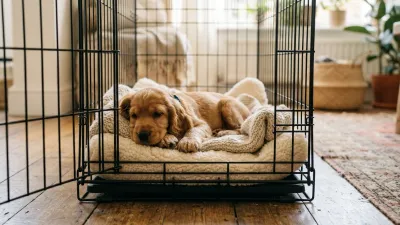
Car rides offer safe exposure to movement, engine rumble, and changing scenery. Secure your puppy safely in a travel crate or tethered harness. Drive through busy parking lots, suburban streets, and quiet rural roads so your puppy learns that vehicle motion is comfortable and non-threatening.
For puppies struggling with crate comfort during car trips, see our guide to the best puppy crates for crate training.
Week-by-Week Pre-Vaccination Socialization Plan#
Weeks 8 to 10: Home and Controlled Environments#
- Introduce gentle handling of paws, ears, tail, and muzzle daily.
- Practice basic focus skills indoors. You can start building early attention by reviewing how to teach a puppy to sit.
- Play recorded environmental noises during mealtimes.
- Host visits with 2 to 3 familiar, fully vaccinated adult dogs in your clean indoor space.
- Carry your puppy to the driveway or porch to observe passing cars and neighbors from a safe distance.
Weeks 10 to 12: Carried Public Exposure#
- Take carried trips to non-pet retail stores that permit dogs (e.g., hardware stores or outdoor centers) while keeping your puppy strictly off the floor.
- Sit in a parked car at a shopping center, opening the window slightly so your puppy can smell new scents and hear busy environments.
- Introduce novel objects at home, such as open umbrellas, vacuums, moving suitcases, and men wearing hats or high-visibility vests.
Weeks 12 to 14: Structured Group Classes#
- Enroll in a indoor puppy class that enforces strict cleaning protocols and vaccine verification.
- Introduce light walking on clean, non-porous indoor surfaces like hardwood or vinyl.
- Continue daily handling routines to prepare your puppy for future veterinary and grooming exams.
💡 Pro Tip: If your puppy shows fear by cowering, trembling, or ducking away from a stimulus, increase the distance between your puppy and the object immediately. Never force a fearful puppy to approach something that scares them; allow them to observe safely from a distance while rewarding calm behavior.
Pre-Vaccination Socialization FAQs#
Can my unvaccinated puppy meet fully vaccinated adult dogs?#
Yes, provided the adult dogs are known to be healthy, current on all core vaccinations, and tolerant of puppy behavior. The interaction should take place in a private, clean area such as your home or a sanitized private yard where no unmonitored or unvaccinated street dogs have had access.
Are puppy socialization classes safe before full vaccination?#
Structured indoor puppy socialization classes held at professional training facilities are safe when strict protocols are followed. Look for facilities that require proof of age-appropriate vaccinations (typically at least one set of distemper/parvo vaccines), disinfect floors with medical-grade cleaners before every class, and exclude sick puppies.
Can I let my puppy walk on grass in my private backyard?#
If your private yard is fully fenced and has not been visited by unknown dogs, stray animals, or wildlife known to carry diseases, it is safe for your puppy to use for bathroom breaks and early play. If you live in an apartment complex or share a yard with communal pet traffic, use a designated balcony turf pad or sanitized indoor area for potty breaks until full vaccination is achieved.
Summary: Your Safe Early Socialization Action Plan#
To successfully socialize your puppy before full vaccination without risking disease, prioritize controlled exposure over physical contact. Keep your puppy off high-traffic public ground, use slings or carriers for field trips, host healthy vaccinated adult dogs at home, and introduce novel textures and sounds in a positive environment. Balancing health and behavioral conditioning early sets your puppy up for a confident, adaptable adulthood.