Bringing home a new puppy is one of life’s most joyful milestones. However, walking into a pet store or browsing online can quickly become overwhelming. With thousands of products flashing before your eyes, how do you separate the marketing gimmicks from the absolute non-negotiables?
The right gear can set a puppy up for a lifetime of behavioral success, safety, and physical wellness. This puppy supply checklist cuts through the noise: what you actually need before your puppy comes through the front door, and how to use it during the first week.
📋 Free Interactive Tool: Preparing for your shopping trip? Open our Interactive New Puppy Checklist & Printable 1-Page PDF to track your progress and check off items on your phone.
📋 In This Guide
1. Sleep and Safety: The Foundation of Housebreaking#
The first few nights with a new puppy set the tone for confidence and routine. Your puppy needs a secure, comfortable “den” of their own.
The All-in-One Solution: The Puppy Starter Kit#
If you want to skip the guesswork, a good Puppy Starter Kit with Crate, Bed, and Toys is the easy route. Buying these as a matched set means the bed fits the crate properly, so there are fewer loose corners to chew, and your puppy has comfort and something to do from day one.
A crate is not about confinement; most puppies like having a small, enclosed spot to rest. It is also one of the most useful tools for house training.
Size matters most. The crate should be big enough for your puppy to stand up, turn around, and lie down comfortably, but not so big that one end becomes a bathroom. Many wire crates come with a divider panel so the crate can grow with your puppy.
| Feature | Wire Crate | Plastic Kennel |
|---|---|---|
| Ventilation | Airflow on all sides | Side vents and door only |
| Portability | Heavy, but usually folds flat | Lighter, but bulky to store |
| Visibility | Puppy can see everything around them | Darker, more den-like feel |
| Cleaning | Easy to wipe the pull-out tray | Harder to deep clean |
If you are worried about those first few nights of whining, our guide to crate training a puppy overnight walks you through it with as little stress as possible for both of you.
💡 Pro Tip: Place a worn t-shirt that smells like you inside the crate during early nights to help your puppy feel safe and calm in their new environment.
MidWest iCrate Starter Kit with Metal Dog Crate, Pet Bed & Covers
Complete starter kit with a 2-door folding dog crate, fleece bed, and crate cover for new puppies.
2. Nutrition and Feeding Gear#
Puppies have sensitive stomachs and grow fast. They need a complete puppy food and bowls that are easy to keep clean.
- Stainless Steel or Ceramic Bowls: Avoid plastic bowls. Plastic scratches easily, creating microscopic crevices where harmful bacteria breed, leading to “puppy acne” and digestive upset.
- Age-Appropriate Kibble or Wet Food: Puppies require a different balance of protein, fat, calcium, and phosphorus than adult dogs. For instance, if you have a larger breed puppy, developmental orthopedic diseases are a major risk if they grow too quickly. You can learn more about these growth windows in our guide to the best dog food for golden retriever puppies.
- The Same Food They Ate Before: Keep feeding whatever the breeder or shelter used for at least the first two weeks. A sudden food change on top of the stress of a new home often leads to an upset stomach. Then follow a steady routine from our puppy feeding schedule by age.
- Slow Feeder Bowl: If your puppy gulps meals, a slow feeder bowl helps cut down on gas, regurgitation, and tummy upset. See our slow feeder bowl guide.
Outward Hound Fun Feeder Slo Bowl
Interactive slow feeder dog bowl that helps fast eaters slow down at mealtime.
3. Walking and Training Gear#
Your puppy’s early experiences on a leash will shape their walking habits for the rest of their life.
- A Standard 6-Foot Nylon Leash: Avoid retractable leashes. They teach puppies that pulling creates more freedom and can cause severe injuries to both human fingers and puppy necks.
- A Y-Shaped Harness: Unlike standard neck collars, a flat, Y-shaped harness distributes pressure evenly across the chest, protecting the delicate trachea of a growing puppy.
- An ID Tag: Clip it on right away, even if your puppy is microchipped. A visible tag is the fastest way for a neighbor to get a lost puppy home. You should be able to slide two fingers under the collar, and check the fit often because puppies grow fast.
- A Training Pouch and High-Value Treats: Keep freeze-dried liver or small training treats handy to reinforce good behavior instantly.
Training should begin the very first day. If you notice your puppy starting to tug or freeze on walks, nip it in the bud early with our guide on how to stop puppy leash pulling.
rabbitgoo No-Pull Dog Harness
A highly durable, padded chest harness with front and back attachment points, excellent for leash training.
⚠️ Safety Warning:
Never leave a puppy unsupervised with soft plush toys, rope toys, or bedding if they are active chewers. Ingestion of fabric fibers, stuffing, or rope strands can rapidly lead to a life-threatening gastrointestinal obstruction requiring emergency surgery. Inspect toys daily for wear and tear, and discard any that show signs of fraying.
4. Grooming, Hygiene, and Cleanup#
Puppies are messy. Between potty accidents, mud, and teething drool, you need a robust hygiene kit.
- Enzymatic Cleaner: Regular household cleaners only mask scents to human noses, and ammonia-based ones smell a lot like urine to a dog, which can draw your puppy back to the same spot. An enzymatic cleaner breaks down the urine itself so the scent marker is gone. Skip bleach and strong scented oils around your puppy.
- Puppy-Safe Shampoo: Puppies have a different skin pH than humans. Always use a soap-free, hypoallergenic oatmeal shampoo designed specifically for dogs.
- A Soft Brush or Comb: A few minutes of gentle brushing in the first week gets your puppy used to being handled. Our guide to brush types and grooming tools for puppy coats covers the rest of the kit.
- Claw Clippers and Styptic Powder: Getting your puppy used to paw handling early makes every nail trim easier. Keep styptic powder on hand to stop bleeding immediately if you accidentally nick the quick.
Rocco & Roxie Professional Strength Stain & Odor Eliminator
Bio-enzymatic pet stain and odor remover that completely eliminates urine odors to prevent repeat accidents.
5. Toys and Chews for Teething#
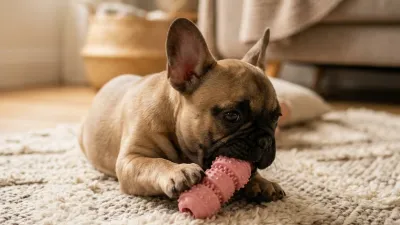
Puppies explore with their mouths, and without the right outlets they go for furniture, shoes, and hands. Have three to five different textures ready, like a rubber toy, a soft comfort toy, and a teething toy you can chill to soothe sore gums. Rotate them every few days so they stay interesting. Our guide to the best toys for a teething puppy covers the safest materials.
6. Book the First Vet Visit#
Schedule your puppy’s first vet appointment for the first two or three days at home. That visit sets up the vaccine and parasite prevention plan, and it is a good time to ask your vet any questions about food, growth, or behavior. See when puppies get their first shots and the puppy deworming schedule by age for timing.
7. Comparison: Bundle vs. Individual Purchasing#
Is it better to purchase a bundled starter kit or source each item individually? Let’s break down the pros and cons of each method:
| Sourcing Method | Pros | Cons | Best For |
|---|---|---|---|
| Puppy Starter Kit with Crate, Bed, and Toys | - Highly cost-effective - Guaranteed size compatibility - Saves time and stress |
- Less customization in aesthetics | - Busy pet parents looking for a seamless, safe setup |
| Individual Sourcing | - Full control over every item’s brand and look | - Higher overall cost - Risk of buying mismatched sizes - Time-consuming |
- Experienced dog owners with specific brand preferences |
Your First Week at Home: A Simple Plan#
- Before Arrival: Set up the crate in a quiet corner, stage the food and cleaning supplies, and puppy-proof the main living area by moving cords and toxic plants out of reach.
- Day 1: Take your puppy straight to the outdoor potty spot. Then try short crate sessions with a tasty chew while you are nearby.
- Days 2 to 3: Settle into the feeding schedule. Watch for any signs of illness, and keep your puppy away from dog parks until the vaccine series is done.
- Days 4 to 7: Start leash walking inside the house or in a private yard, and introduce one grooming tool for a couple of minutes with treats.
Frequently Asked Questions#
Should I use puppy pads or go straight to outdoor potty training?#
If you have a safe, private yard, go straight outside. Pads teach a puppy that going indoors is fine, which can make house training take longer. In a high-rise with no private outdoor space, pads or a grass patch can be a temporary bridge.
What size collar fits an 8 week old puppy?#
Many medium-breed puppies start in a small adjustable collar (about 10 to 14 inches), but breeds vary a lot. Measure the neck with a soft tape and recheck the two-finger fit every few days.
How many toys does a puppy need the first week?#
Three to five toys in different textures is plenty. Do not hand them all out at once; rotating keeps them new.
Summary: Setting Your Puppy Up for Success#
Checking items off your puppy supply checklist is only the first step. The real goal of this gear is to create an environment where your puppy feels safe, understood, and set up for behavioral success. By investing in high-quality basics, like a reliable Puppy Starter Kit with Crate, Bed, and Toys, the right puppy food, and safe training gear, you are laying the groundwork for a lifetime of happy, healthy companionship.
💡 Related Guide: Section off stairways and off-limits rooms securely with the best puppy proofing gates and barriers.
💡 Related Guide: Shopping for someone else’s new puppy? See our puppy Christmas gifts and stocking stuffers.