Successful puppy grooming starts with the right tools and a gentle approach. Young puppies have sensitive skin and fine hair that requires a different touch than adult dogs. Starting a calm grooming routine early teaches your puppy to relax while being handled, which pays off at every groomer and vet visit for the rest of their life.
Start grooming as early as you can. It is not just about a clean coat; it is about getting your puppy used to being touched all over. The right brush keeps the experience painless, and a small kit of nail, ear, and bath tools covers everything else you will do at home.
📋 In This Guide
Understanding Puppy Coat Evolution#
Puppies are born with a single layer of soft, fuzzy hair. This puppy coat acts as a thermal regulator, keeping them warm during their first few months. Between four and eight months of age, most puppies begin to transition to their adult coat. This period is often when owners notice an increase in tangles or shedding.
During this transition, the soft puppy hair can become trapped in the coarser adult hair growing in. If you do not use the right tools during this stage, painful mats can form close to the skin. A brush that reaches through the top layer without scratching the skin makes this stage much easier.
The Main Brush Types for Puppies#
There is no one-size-fits-all tool for every breed. The texture, length, and thickness of your puppy’s hair will dictate which brush works best. Using the wrong tool can cause skin irritation or fail to remove the dead hair that leads to matting.
The Slicker Brush: Best for Most Pups#
The slicker brush is the most versatile tool in a grooming kit. It features rows of thin, wire bristles that are slightly angled. These bristles are designed to reach through the coat to remove loose hair and break up small tangles. It is particularly useful for breeds with medium to long hair or curly coats like Poodles and Doodles.
When using a slicker brush on a puppy, look for one with capped or gentle bristles to avoid “brush burn.” The goal is to glide through the hair without applying heavy pressure to the skin.
The Bristle Brush: For Short and Smooth Coats#
If your puppy has short, sleek hair like a Beagle or a Labrador, a bristle brush is your primary tool. These brushes use natural or synthetic bristles packed tightly together. They are excellent for removing surface dirt and distributing natural skin oils throughout the coat. Regular use of a bristle brush keeps the coat shiny and healthy without the need for harsh chemicals.
The Pin Brush: For Long and Silky Hair#
For puppies with long, flowing hair like Yorkies or Golden Retrievers, the pin brush is ideal. It looks similar to a human hairbrush but usually has wider spacing between the pins. The pins are often tipped with plastic or metal balls to protect the skin. This brush is great for daily maintenance and fluffing up the coat after a more thorough brushing session.
The Rubber Curry Brush: For Deshedding and Massage#
Rubber curry brushes are fantastic for short-haired puppies that shed heavily. The rubber nubs act like a magnet for loose hair while providing a soothing massage. Many owners use these during bath time to help work shampoo into the coat and loosen dead hair simultaneously. This tool is very gentle and often the best choice for puppies that are fearful of traditional wire brushes.
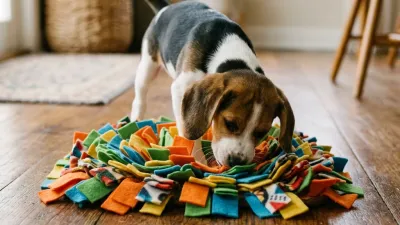
💡 Pro Tip: To keep a wiggly puppy occupied during grooming, use one of the interactive brain toys for puppies we like, filled with a little xylitol-free peanut butter. This creates a positive association with being brushed.
Matching the Brush to Your Puppy’s Coat Type#
Selecting the right tool depends entirely on your puppy’s genetics. A brush that works for a Boxer will do nothing for a Shih Tzu. Refer to this guide to find the best match for your pup:
| Coat Type | Recommended Brush | Key Benefit |
|---|---|---|
| Short/Smooth | Bristle Brush or Rubber Curry | Removes surface hair and adds shine |
| Double Coat | Slicker Brush and Undercoat Rake | Reaches the dense undercoat to prevent mats |
| Curly/Wavy | Slicker Brush and Metal Comb | Keeps curls from tangling and felting |
| Long/Silky | Pin Brush and Metal Comb | Gently removes tangles without breaking hair |
| Wire/Rough | Slicker Brush or Stripping Tool | Maintains the unique texture of the wire coat |
The Role of the Metal Comb#
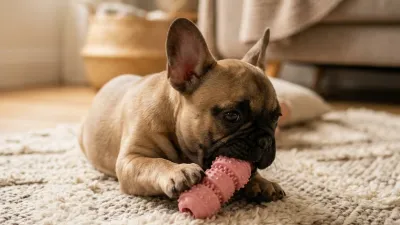
Whatever your puppy’s coat type, a stainless steel comb is a must-have second tool. After you finish brushing, run the comb through the hair from the skin to the tips. If the comb catches, there is a hidden tangle or mat that the brush missed. This “comb check” is the most reliable way to know your puppy is truly tangle-free. For pups that tend to chew on their grooming tools, keeping a few teething toys nearby can redirect their nipping behavior away from your hands and the comb.
Nail Care and Ear Cleaning Tools#
⚠️ Safety Warning: Never trim a puppy’s nails without styptic powder within reach. If you nick the quick (the blood vessel and nerve in the center of the nail), press styptic powder firmly onto the tip to stop the bleeding.
- Scissor-Style Nail Clippers: Small, puppy-sized scissor clippers give you a clearer view than guillotine clippers, so it is easier to see where the dead nail ends and the quick begins.
- Rotary Nail Grinders: A grinder sands the nail down a little at a time and smooths the sharp edges clippers leave behind. It is the easier option for dark nails, where you cannot see the quick. Our puppy nail trimmers and grinders guide compares both.
- Ear Cleaner and Cotton Rounds: Never push cotton swabs into a puppy’s ear canal. Use a dog ear cleaning solution on soft cotton rounds or pre-moistened ear wipes, and clean only the inner flap and the opening you can see.
Bath Time Gear#
- pH-Balanced Puppy Shampoo: Human shampoo is made for skin around pH 5.5, while dog skin sits around 6.5 to 7.5, so human products dry a puppy’s skin out. Choose a gentle, tearless shampoo made for dogs.
- Non-Slip Bath Mat: Puppies panic when their feet slide. A rubber mat in the sink or tub gives them grip and calms things down right away.
- Lick Mat on the Wall: Smear wet food or plain Greek yogurt on a suction lick mat stuck to the tub wall to keep your puppy busy while you wash.
- Microfiber Towels: Microfiber pulls water out of a puppy coat much faster than cotton. For drying coats and quick paw cleanups between baths, see our guide to puppy grooming wipes and towels.
Unless your puppy is dirty, a full bath every 4 to 8 weeks is plenty for most coats. Bathing too often strips the natural oils and leaves the skin dry and itchy.
Step-By-Step: Introducing Your Puppy to Grooming#
- Introduce the Tool: Let your puppy sniff the brush while it is on the floor. Reward them with a treat for showing calm curiosity.
- The First Touch: Touch the back of the brush (the non-bristle side) to the puppy’s shoulder. This lets them feel the weight and temperature of the tool without any pulling.
- Short Sessions: Start with just 30 seconds of actual brushing on a non-sensitive area like the back or sides. Gradually increase the time as the puppy remains relaxed.
- Handling Sensitive Areas: Slowly work your way toward the ears, tail, and paws. These areas are often more sensitive and may require more frequent rewards.
- Use a Controlled Space: If your puppy tries to run away, try grooming them inside an indoor puppy playpen. A confined, comfortable space helps them focus on the task at hand.
A 10-Day Grooming Warm-Up Plan#
- Days 1 to 3, Handling: Touch paws, lift ears, hold the base of the tail, and lift the lips while feeding small treats. Keep sessions under 2 minutes.
- Days 4 to 6, Tools Nearby: Bring brushes and the nail grinder close without touching your puppy. Turn the grinder on across the room and treat while it hums.
- Days 7 to 10, Mini Sessions: Groom for about 30 seconds. Brush one shoulder or trim a single nail tip, reward, and stop while your puppy is still relaxed.
- Day 11 Onward: Slowly build up to full brush-outs and full nail trims.
⚠️ Safety Warning: Never pull forcefully on a mat. A puppy’s skin is paper-thin and can tear easily. If you encounter a stubborn mat, use a detangling spray or consult a professional groomer rather than tugging at it.
Frequently Asked Questions#
When should I start grooming my puppy?#
The day you bring them home, usually around 8 weeks. Short daily sessions of brushing, paw handling, and ear checks with plenty of treats work better than anything long.
How often should I brush my puppy?#
For most puppies, a quick two-minute session every day is better than one long session once a week. Frequent sessions build the habit and prevent mats from ever forming. Puppies with long or curly hair should be brushed at least 3-4 times per week, while short-haired breeds may only need a weekly session.
My puppy keeps biting the brush, what should I do?#
This is very common puppy behavior. Do not pull the brush away quickly, as this turns it into a game of chase. Instead, hold the brush still and wait for the puppy to stop biting. Redirect their mouth to a toy or use a high-value treat to reward them for “four on the floor” and a calm body. Keep grooming sessions very short until the biting subsides.
Do I need to brush my puppy even if they don’t have much hair yet?#
Yes. Even if your puppy is a short-haired breed or still has very short puppy fuzz, the act of brushing is about training. You want your puppy to be comfortable with various sensations and tools so that as they grow larger and stronger, they remain easy to handle during grooming or examinations.
Summary: Puppy Grooming Success Plan#
Maintaining a healthy coat is a lifelong responsibility for pet owners. By choosing the correct brush type for your puppy’s specific coat and introducing it with patience and positive reinforcement, you set the foundation for stress-free grooming.
A simple home kit covers almost everything:
- A main brush matched to the coat (slicker, pin, bristle, or rubber curry)
- A stainless steel comb
- Puppy-sized scissor clippers or a nail grinder
- Styptic powder
- pH-balanced, tearless puppy shampoo
- A non-slip bath mat and microfiber towels
- Dog ear cleaner and cotton rounds
Focus on consistency over perfection. It is better to brush one leg successfully and end on a positive note than to force the puppy through a full grooming session while they are stressed. With the right gear and a calm approach, your puppy will soon look forward to their daily brush as much as their daily walk.
💡 Related Guide: For a calmer bath or brush-out, see our picks for the best lick mats for puppy anxiety and teething.