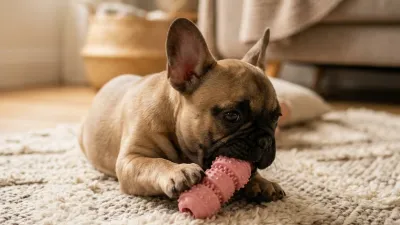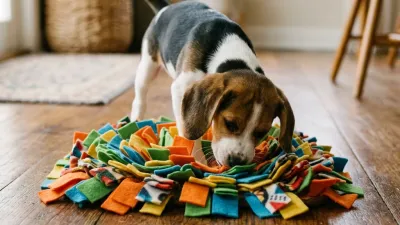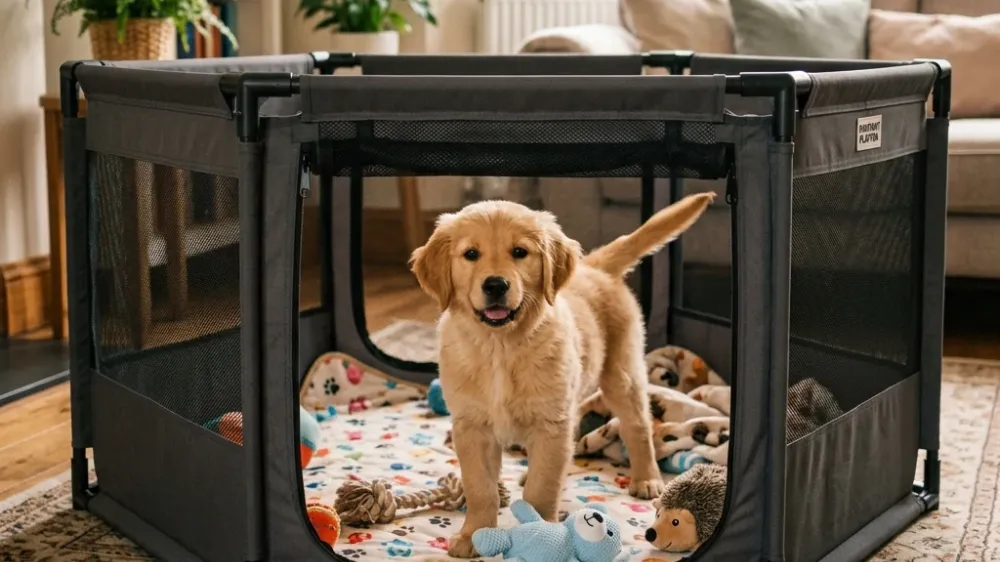
Indoor playpens provide young dogs with dedicated safe spaces, preventing destructive chewing and potty accidents while giving them room to stretch. Setting up a dedicated playpen area speeds up housebreaking, reduces stress, and protects your home when direct supervision is impossible.
Selecting the right playpen requires evaluating your home layout, your puppy’s adult size, and their current chewing habits. This guide covers the main playpen styles, the safety features worth paying for, how to protect the floor underneath, and a layout that works.
📋 In This Guide
Why an Indoor Playpen Helps So Much#
Puppies need clear boundaries to learn household manners. Too much freedom too early usually means chewed furniture, ruined carpets, and habits that take a long time to undo.
A playpen creates a controlled environment where your puppy can play safely, eat meals, and rest without constant micromanagement. It bridges the gap between total freedom and crate confinement, teaching self-entertainment and confidence.
Using a playpen also simplifies potty training. By keeping your puppy contained on non-porous flooring or over a protective mat, you eliminate hidden accidents and maintain strict bathroom schedules.
Key Types of Indoor Puppy Playpens#
Not all indoor playpens perform equally in a home environment. Understanding the differences between materials prevents floor damage and keeps energetic pups secure.
Heavy-Duty Molded Plastic Pens#
Plastic playpens are light, rust-proof, and gentle on interior floors. They feature wide bases that do not easily tip and lack sharp wire edges that might catch collar tags or pinch small paws.
These pens work exceptionally well for small to medium breeds. However, large breed puppies or aggressive chewers might eventually gnaw on the plastic edges if unmonitored.
Heavy-Gauge Metal Wire Pens#
Metal wire exercise pens (often called x-pens) offer high durability and excellent airflow. They fold flat easily for storage and come in various height options to accommodate growing breeds.
When using metal pens indoors, use floor protectors or rubber feet under the wire base. Uncovered wire corners can scratch hardwood floors or snag carpet fibers when puppies jump against the sides.
Soft Fabric and Mesh Pop-Up Pens#
Fabric pens are ultra-portable and lightweight, making them popular for travel. They feature built-in zippered tops and floors that keep small puppies completely enclosed.
While convenient, fabric pens are not suitable for unsupervised daily use. Teething puppies can easily chew through mesh panels or collapse flexible frames when leaning against the walls.
Indoor Puppy Playpen Comparison#
The following breakdown compares standard indoor playpen materials across durability, floor safety, and maintenance ease:
| Playpen Type | Durability Level | Floor Safety | Maintenance Ease | Best For |
|---|---|---|---|---|
| Molded Plastic | Moderate to High | High (Non-scratch) | Very Easy (Wipe clean) | Indoor use, small to medium breeds |
| Metal Wire | High to Excellent | Moderate (Needs padding) | Moderate | All breed sizes, high-energy pups |
| Fabric / Mesh | Low | High (Built-in floor) | Hand-wash required | Travel, very small toy breeds |
| Wooden Furniture Style | Moderate | High | Spot clean only | Permanent living room integration |
Key Features to Look for Before Buying#
Choosing the best playpen involves more than picking the right material. Look for these design details:
- Walk-Through Door with Secure Latching: Avoid lifting heavy puppies over tall walls. Look for double-latch step-through doors that puppies cannot nudge open.
- Non-Slip Rubber Feet: Indoor floors are slick. Non-skid rubber pads or skid plates prevent the pen from sliding across hardwood or tile when your puppy leans against it.
- Modular / Expandable Panels: Choose pens that allow you to add or remove panels. This flexibility helps you reshape the pen into rectangles, squares, or room dividers as your space dictates.
- Appropriate Wall Height: Measure your puppy’s predicted growth. A 24-inch pen works for small breeds, but medium and large breeds require 30 to 36-inch walls to prevent climbing.
Protecting Your Floors Under the Playpen#
Urine accidents and tipped water bowls can ruin hardwood, laminate, and carpet within hours, and standard disposable pee pads slide, tear, and get chewed. A proper waterproof floor protector under the pen is worth buying on day one.
| Protector Type | Best Flooring Match | Key Benefit | Cleaning Effort |
|---|---|---|---|
| Washable Multi-Layer Pad | Hardwood, laminate, carpet | Absorbs urine, non-slip grip | Machine wash and hang dry |
| Solid Silicone or Rubber Mat | Hardwood, tile, linoleum | Raised lip contains spills | Quick damp rag or hose rinse |
| Canvas or PVC Pen Base | Carpet, rugs | Attaches to the pen frame, no bunching | Spot clean or hand wash |
| Interlocking EVA Foam Tiles | Tile, concrete | Cushioning and warmth | Wipe clean (tape the seams) |
Washable multi-layer pads have a soft fleece top, an absorbent core, a waterproof layer (usually TPU or polyurethane laminate), and a rubbery non-skid backing. They feel like a rug to the puppy and are reusable. Silicone and rubber mats do not absorb anything; their raised edges hold spills in place until you wipe them up, which makes them a good match for the feeding corner. Canvas pen bottoms clip or zip to the pen itself, so a puppy cannot burrow under the edge or drag the mat into a corner.
What to check before buying a floor protector:
- Truly Waterproof: Look for a TPU, PVC, or silicone layer. “Water resistant” fabric lets urine soak through if it sits for a while.
- Oversized: Pick a mat that extends 2 to 4 inches past the pen on every side so a puppy peeing against the wall does not drip onto bare floor.
- Chew Resistant Edges: Teething puppies go straight for loose corners. Look for bound, double-stitched edges.
- Non-Skid Backing: Zoomies will slide a light mat across smooth floors. Dense grip dots or textured rubber keep it put.
💡 Pro Tip: If your puppy chews the edges of the mat, set the pen panels on top of the outer edge of the mat instead of placing the whole mat inside the pen. The weight of the panels holds the edges down and out of reach.
To set it up, clean and dry the floor first (trapped moisture under a rubber backing can mark wood finishes), smooth the mat flat with the grip side down, then open the pen on top so every wall sits over the mat. Own two protectors so one is always clean while the other is in the wash.
Washing: Shake off hair, spot-treat urine with an enzymatic cleaner, and machine wash warm or cold with regular detergent. Skip fabric softener (it cuts absorbency) and bleach (it breaks down the waterproof layer). Line dry or tumble on low, since high dryer heat is the most common way waterproof linings fail.
⚠️ Safety Warning: Never use plastic painter tarps or thin poly sheeting as playpen flooring. Thin plastic tears when scratched and the pieces are a choking and blockage risk if swallowed.
How to Set Up an Indoor Playpen Zone#
A good playpen layout balances rest, play, and potty areas so your puppy builds solid habits from day one.
Divide the internal space into distinct functional zones:
- Sleeping Zone: Place a comfortable bed at one end of the pen, or connect an open crate there (see our picks for the best puppy crates for crate training).
- Feeding Zone: Keep food and water bowls far away from the sleeping and bathroom spaces. Use non-tip stainless steel bowls or stable elevated stands.
- Enrichment Zone: Leave durable chew items to keep your puppy occupied. Rotate through interactive brain toys and safe options designed as the best toys for a teething puppy to prevent boredom barking.
- Potty Zone: Place a puppy pad or indoor turf tray at the opposite end from the bed, since most puppies avoid soiling where they sleep.
⚠️ Safety Warning: Never leave slip collars, choke chains, or long harnesses on your puppy while they are inside a playpen. Tags and clips can catch on wire joints or mesh zippers.
Frequently Asked Questions#
How long can a puppy stay in a playpen during the day?#
Puppies should not remain in a playpen all day without interaction. A general guideline is one hour for every month of age, plus one hour. For example, a three-month-old puppy can comfortably spend up to four hours in a playpen, provided they receive regular outdoor potty breaks, exercise, and mental stimulation between rest periods.
Should I put a crate inside the playpen?#
Yes, connecting a crate to your playpen setup creates an ideal housebreaking layout. Leaving the crate door open inside the pen allows your puppy to view the crate as a safe den while offering extra space to stretch and move around without breaking potty training habits.
Can urine soak through a waterproof playpen pad if it is left all day?#
A pad with a true TPU or polyurethane barrier will not let liquid through, even after several hours, but a soaked pad can wick moisture sideways to the stitched edges. On long days, swap in a clean pad as soon as you can.
How do I stop my puppy from moving the playpen across hardwood floors?#
Stick heavy-duty rubber bumper pads to the bottom edges of the pen, or stand the whole pen on a non-slip waterproof floor protector or gym tiles. The mat protects the floor and stops the sliding at the same time.
Heavy Duty Indoor Puppy Playpen
A highly rated indoor playpen built to withstand jumping and leaning without scratching your hardwood floors.
Summary: Indoor Playpen Setup Checklist#
Building a successful indoor puppy setup comes down to early preparation and choosing equipment suited to your pup’s size and energy. Get a sturdy pen, put an oversized waterproof protector underneath, and set up clear sleeping, eating, play, and potty zones. By creating controlled boundaries early, you keep your puppy safe and set your entire household up for stress-free housebreaking.