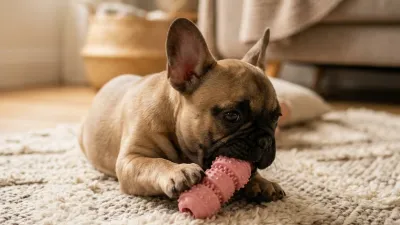
Mental stimulation burns energy up to three times faster than pure physical exertion. For a young puppy with a rapidly developing brain, interactive puzzle toys provide valuable cognitive exercise that builds problem-solving skills, builds independence, and prevents boredom-based behaviors like destructive chewing and nuisance barking.
Selecting the right brain toy requires matching the mechanics of the puzzle to your puppy’s physical strength and developmental stage. Introducing complex puzzles too quickly causes frustration, while overly simple toys fail to engage their minds.
📋 In This Guide
Why Mental Stimulation Matters for Young Puppies#
A puppy’s brain undergoes massive neural development during the first six months of life. Physical exercise like long walks or repetitive fetch games puts unnecessary stress on developing growth plates. In contrast, structured mental exercise engages a puppy’s natural foraging instincts safely.
Interactive toys redirect natural behaviors like biting and digging into structured problem-solving. Puppies that regularly use brain toys develop better impulse control, higher frustration tolerance, and an easier time settling independently. Using brain puzzles during quiet time in puppy crates for crate training also helps build positive associations with rest periods.
For young puppies who are still mouthing everything in sight, pairing brain games with appropriate best toys for a teething puppy keeps your furniture safe while their permanent teeth come in.
Categories of Interactive Brain Toys#
Brain toys for puppies fall into four main functional categories, each targeting a specific sensory or mechanical skill:
- Treat-Dispensing Balls and Wobblers: These rely on kinetic movement. As the puppy nudges the toy with their nose or paws, food rolls out unpredictably. They are ideal for high-energy puppies who prefer physical interaction.
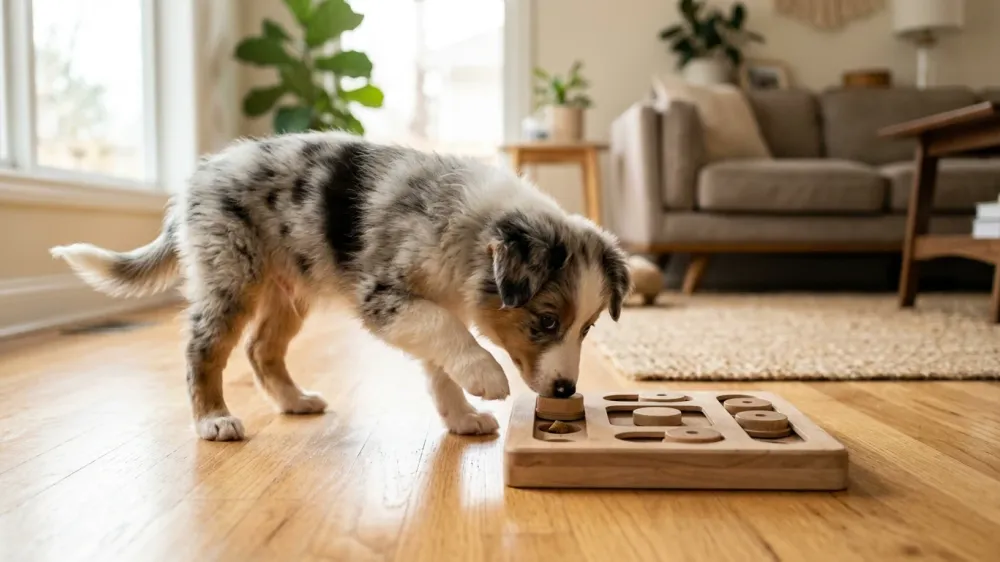
- Sliding and Lifting Puzzles (Level 1 and Level 2): These stationary boards feature hidden compartments under pegs, slides, or flippers. Puppies must use their nose or paws to move obstacles and expose hidden kibble.
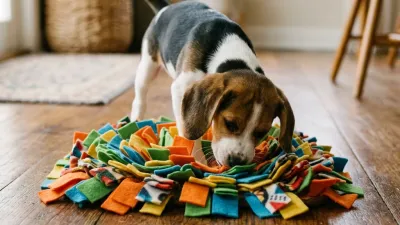
- Snuffle Mats and Foraging Fabrics: Soft textile toys that rely on scent work. Puppies use their powerful olfactory system to search through fabric folds to extract food.
- Lick Mats and Treat-Stuffed Rubber Toys: Licking is calming for many puppies. These are ideal for quiet focus, crate time, or settling down after high-energy play or walks (see harness vs collar for puppies for walking gear).
Brain Toy Types Compared#
| Toy Category | Primary Skill Required | Difficulty Level | Best For | Safety Supervision Need |
|---|---|---|---|---|
| Snuffle Mats | Scent Work / Sniffing | Beginner (Level 1) | Shy or low-confidence puppies | Low to Moderate |
| Lick Mats | Licking / Soothing | Beginner (Level 1) | Calming, crate training, bath prep | Moderate |
| Sliding Puzzles | Fine Nose & Paw Control | Intermediate (Level 1-2) | High-focus, curious breeds | High (small removable parts) |
| Dispensing Wobblers | Gross Motor Control | Beginner to Intermediate | Mealtime slow feeding | Low to Moderate |
The Top Beginner Brain Toy for Puppies#
When starting a puppy on cognitive games, select a design that offers immediate gratification. Level 1 puzzles introduce the concept that interacting with an object yields a reward without overly complicated locking mechanisms.
Nina Ottosson by Outward Hound Dog Smart Interactive Treat Puzzle
An ideal Level 1 entry puzzle toy designed to introduce young puppies to problem solving by requiring them to nudge or lift pegs to reveal hidden treats.
This entry-level puzzle uses simple lift-and-nudge mechanics that match a young puppy’s natural investigative style. The pegs fit flush into the board, forcing the puppy to use their scenting ability to locate rewards and their nose or paws to dislodge the obstacles.
💡 Pro Tip: Use a portion of your puppy’s daily kibble intake inside brain toys rather than high-calorie commercial treats. This keeps daily nutrition balanced and prevents weight gain during training sessions. If your puppy has a sensitive stomach, talk to your vet about low-fat, easily digested treats for puzzle play.
Step-by-Step Plan to Introduce Brain Toys Without Frustration#
Introducing a brain toy incorrectly leads to two common failure states: the puppy gets frustrated and chews the toy apart, or the puppy gives up and loses interest completely. Follow this step-by-step framework to set your puppy up for success.
Step 1: Make It Unfailably Easy#
For the first session, leave all compartments uncovered or place food loosely around the base of the toy. Let the puppy eat the treats directly off the toy so they associate the object with high value.
Step 2: Introduce Partial Obstacles#
Place kibble inside a compartment and cover it halfway with a slider or peg. The scent should be strong, and a light nudge from the puppy’s nose should immediately expose the food.
Step 3: Add Full Coverage#
Once your puppy enthusiastically nudges open half-covered compartments, cover the treat completely. Stand by to offer encouragement, but avoid solving the puzzle for them.
Step 4: Increase Complexity Gradually#
Only upgrade to Level 2 puzzles (which require sequential actions, like sliding a block before flipping a lid) after your puppy solves Level 1 puzzles in under two minutes without showing signs of frustration.
⚠️ Safety Warning: Never leave a puppy unattended with interactive brain toys, especially those made of rigid plastic or thin rubber. If a puppy cannot figure out a puzzle, their default response is often to chew through the plastic to reach the food inside. Inspect toys regularly for sharp edges or loose pieces.
💡 Related Guide: For a sniffing-based puzzle, see the best snuffle mats for puppy mental stimulation.
Frequently Asked Questions#
How long should a puppy play with a brain toy each day?#
Keep puzzle sessions brief to match a puppy’s short attention span. Two to three 10-minute sessions per day are ideal. Stop the session while the puppy is still engaged rather than letting them play until they are exhausted or frustrated.
Can brain toys help reduce puppy separation anxiety?#
Yes. Brain toys, particularly treat-stuffed rubber toys or frozen lick mats, divert a puppy’s focus during departures. The physical act of licking and chewing releases calming hormones, which helps lower heart rates and promotes self-soothing when left alone.
What should I do if my puppy gives up on a puzzle toy?#
If your puppy walks away or loses interest, the puzzle is likely too difficult or the reward is not high-value enough. Scale back the difficulty by uncovering hidden treat compartments, or mix in small pieces of freeze-dried meat alongside their regular kibble to increase motivation.
Summary: Your Puppy Mental Enrichment Action Plan#
To build a well-balanced puppy through mental enrichment, start simple and remain consistent. Begin with basic Level 1 puzzles or snuffle mats that deliver rapid rewards, and supervise every session to build confidence and maintain safety. Use daily meal rations inside interactive toys to turn feeding routines into rewarding brain workouts, progressively scaling up puzzle difficulty as your puppy’s problem-solving skills grow.