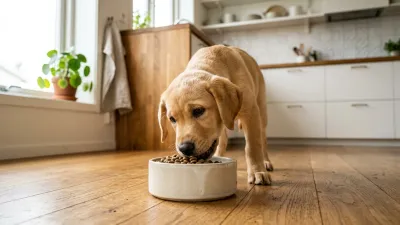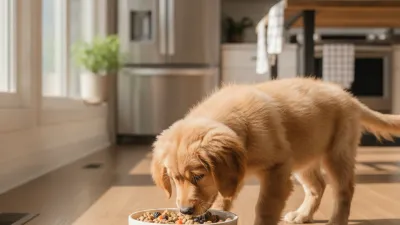
Yes, puppies can safely eat cooked eggs as a nutritious, protein-packed addition to their diet. Cooked eggs offer high-quality protein along with fats and vitamins. However, the key to feeding eggs safely lies in preparing them completely plain without oils, butter, salt, or seasonings.
While balanced commercial food should make up the vast majority of a growing dog’s daily calories, eggs work exceptionally well as high-value rewards or meal toppers. Getting the cooking method and serving size right lets your puppy enjoy eggs without stomach upset.
📋 In This Guide
Nutritional Benefits of Cooked Eggs for Puppies#
Eggs are a well-known source of high-quality protein, with a complete set of the amino acids dogs need. Your puppy’s complete food already covers those needs, so eggs are a bonus rather than a requirement.
Beyond protein, eggs contain:
- Fatty Acids: Eggs contain omega-6 and small amounts of omega-3 fatty acids, which help keep skin and coat healthy.
- Vitamin A: Plays a role in eye and skin health.
- Riboflavin (Vitamin B2) and Vitamin B12: B vitamins involved in energy use and red blood cell formation.
- Folate and Iron: Both play a part in healthy blood.
When integrated correctly into a balanced diet alongside a high-quality complete feed, such as the options explored in our guide to the best food for golden retriever puppies, eggs make a wholesome extra.
How to Prepare Cooked Eggs Safely#
When cooking eggs for your puppy, simplicity is key. A puppy’s digestive tract is far more sensitive than an adult dog’s, meaning heavy oils, fats, and seasonings can cause digestive distress.
Scrambled Eggs#
Scrambling is one of the easiest ways to cook eggs for puppies. Heat a non-stick pan over medium heat and cook the whisked egg thoroughly. Do not add butter, margarine, cooking spray, oil, milk, or salt. Make sure the egg is completely firm and fully set before serving.
Hard-Boiled Eggs#
Hard-boiling is a convenient, oil-free method for preparing eggs. Place the egg in boiling water until both the white and yolk are firm. Allow the egg to cool completely, strip away the entire shell, and chop the egg into tiny, bite-sized pieces to prevent choking.
Poached Eggs#
Poaching involves cooking the egg in simmering water without any added fat. Make sure the egg is cooked through until the yolk and white are solid. Skip runny yolks; fully cooked eggs are the safest option for young puppies.
| Preparation Method | Safe for Puppies? | Preparation Rules |
|---|---|---|
| Scrambled | Yes | Cook plain in a non-stick skillet; no butter, oil, milk, or salt. |
| Hard-Boiled | Yes | Boil thoroughly, remove shell completely, and chop into small pieces. |
| Poached | Yes | Cook in plain water until both yolk and white are fully set. |
| Fried | No | High in added fat and cooking grease, which triggers stomach upset. |
| Raw | No | Carries Salmonella risks and interferes with biotin absorption. |
⚠️ Safety Warning: Never feed raw eggs to young puppies. Raw egg whites contain a protein called avidin, which binds to biotin (Vitamin B7) and blocks its absorption. Cooking inactivates avidin and kills bacteria like Salmonella.
Daily Serving Limits and Portion Control#
Even healthy foods can cause stomach upset if fed in excess. Treats and supplemental foods should never exceed 10 percent of your puppy’s total daily caloric intake. The remaining 90 percent must come from a complete and balanced puppy food that meets their growth requirements.
How much egg your puppy can eat depends primarily on their age, weight, and energy levels. Fitting treats around your puppy’s regular meals, using our puppy feeding schedule by age, helps prevent accidental overfeeding.
Here are general serving recommendations for plain cooked eggs:
- Small Breed Puppies (under 10 lbs): 1 to 2 teaspoons of cooked egg, served once or twice a week.
- Medium Breed Puppies (10 to 30 lbs): Half of a cooked egg, served once or twice a week.
- Large Breed Puppies (over 30 lbs): One whole cooked egg, served once or twice a week.
When introducing cooked egg for the first time, offer just one teaspoon and monitor your puppy over the next 24 hours for signs of sensitivity, such as loose stool or scratching. If your puppy has a known food allergy or a sensitive stomach, talk to your vet before adding eggs.
Serving Ideas and Enrichment Options#
Serving plain eggs does not have to be boring. You can use cooked eggs to enhance your puppy’s daily mealtime routine or provide mental stimulation through enrichment activities.
Here are several safe ways to incorporate cooked egg into your puppy’s routine:
- Kibble Topper: Mash a small portion of plain scrambled egg and mix it directly into your puppy’s dry kibble to encourage picky eaters.
- Enrichment Toy Filler: Spoon cooled, scrambled egg into a durable rubber toy like the KONG Classic Dog Toy, combine with a small amount of kibble, and serve as an engaging snack.
- Healthy Vegetable Bowl: Combine small pieces of hard-boiled egg with crunchy steamed carrots or antioxidant-rich fresh blueberries for a low-calorie treat platter.
- Training Reward: Cut hard-boiled eggs into tiny, dice-sized cubes to use as soft, high-value rewards during trick or obedience training sessions.
If you prefer nut butter for toy stuffing, our guide on whether puppies can eat peanut butter explains how to pick a xylitol-free jar.
Ingredients to Never Add to Puppy Eggs#
Human recipes often include ingredients that are harmful or toxic to dogs. When preparing eggs for your puppy, leave out all common additives:
- Salt: Excess sodium can lead to dehydration or salt poisoning in small puppies.
- Butter and Oils: Added fats significantly increase calories and can trigger acute pancreatitis or severe diarrhea.
- Garlic and Onions: Members of the Allium family contain compounds that damage red blood cells, leading to anemia.
- Milk and Cheese: Many puppies lack sufficient lactase enzymes to digest dairy products, leading to gas and abdominal pain.
- Black Pepper and Spices: Spices can irritate the soft lining of the stomach and mouth.
For puppies struggling with wet food vs dry food transitions, simple plain egg white or whole scrambled egg can make meals appealing without adding harmful ingredients. Learn more about balanced diet choices in our wet vs dry food comparison guide.
Frequently Asked Questions#
Can 8-week-old puppies eat cooked eggs?#
Yes, 8-week-old puppies can eat plain cooked eggs in very small amounts. Start with just a teaspoon of plain scrambled or hard-boiled egg. Make sure the egg is completely plain, fully cooked, and chopped into small pieces to prevent choking.
Can puppies eat eggshells if they are cooked?#
While eggshells are high in calcium, whole eggshell pieces are sharp and pose a severe choking hazard or risk of internal tissue damage. If you wish to supplement calcium, commercially prepared crushed shell powder is safer, but fully balanced puppy kibble already provides all necessary calcium for growth.
Can cooked eggs give a puppy diarrhea?#
Cooked eggs can cause diarrhea if introduced too rapidly, fed in large quantities, or cooked in rich butter or oil. Always introduce eggs gradually, keep portions small, and cook them plain to prevent digestive upset.
Summary: Safe Egg Feeding Action Plan#
Adding cooked eggs to your puppy’s food rotation is a budget-friendly way to add high-quality protein. To keep it safe, follow this simple checklist:
- Cook Thoroughly: Always boil, scramble, or poach eggs until solid; never serve raw eggs.
- Keep It Plain: Omit butter, oil, milk, salt, spices, garlic, and onions completely.
- Watch the Portion: Limit egg treats so they remain under 10 percent of total daily calories.
- Start Slow: Introduce a single teaspoon first to verify your puppy digests it well.