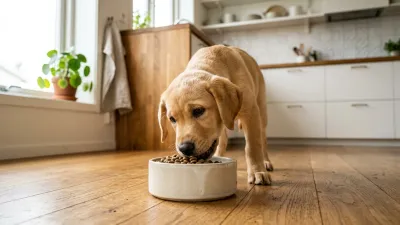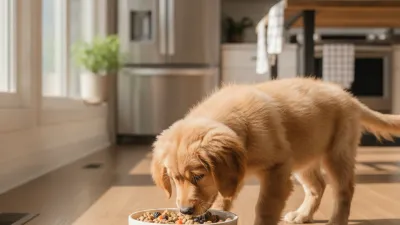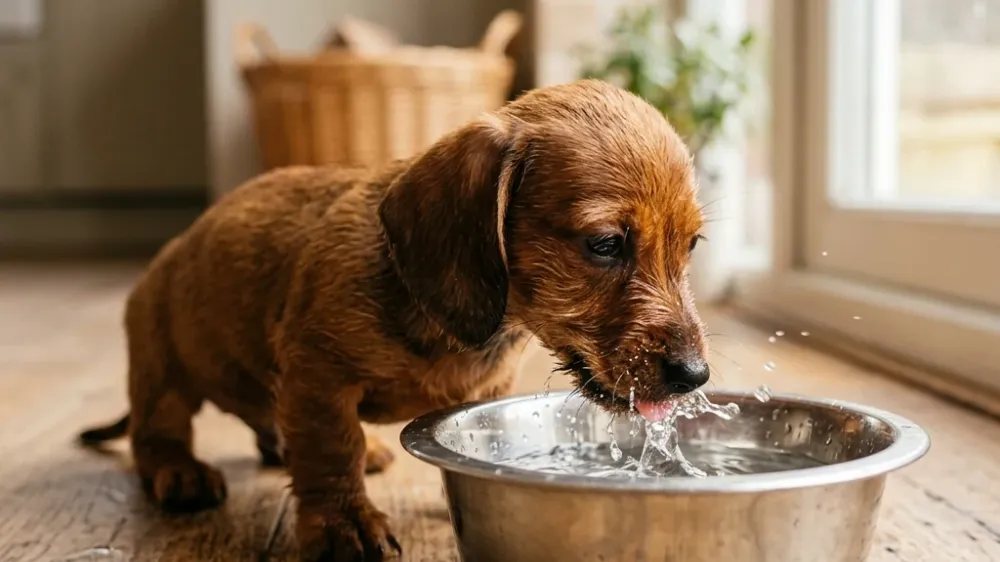
A healthy puppy needs approximately one ounce (30 ml) of fresh water per pound of body weight every single day. A 10-pound puppy requires roughly 10 ounces of water daily, while a 25-pound puppy needs roughly 25 ounces. However, variables like outdoor temperature, activity levels, kibble vs. wet food diets, and age can adjust these exact baseline requirements.
Establishing proper hydration habits early keeps your puppy’s urinary tract healthy, supports cellular growth, aids digestion, and keeps body temperature regulated. Managing water access effectively is also key for seamless housebreaking.
📋 In This Guide
The Baseline Hydration Rule: Water Intake by Weight#
To keep hydration tracking simple, calculate one ounce of water per pound of body weight as your baseline. Young puppies that are actively playing or spending time in warm weather may drink up to 1.5 ounces per pound.
| Puppy Weight | Baseline Daily Water Intake (Ounces) | Baseline Daily Water Intake (Cups) |
|---|---|---|
| 5 lbs | 5 oz | ~0.6 cups |
| 10 lbs | 10 oz | ~1.25 cups |
| 15 lbs | 15 oz | ~1.8 cups |
| 20 lbs | 20 oz | ~2.5 cups |
| 30 lbs | 30 oz | ~3.75 cups |
| 40 lbs | 40 oz | ~5 cups |
💡 Pro Tip: Measure out your puppy’s daily water allowance into a clean pitcher each morning. Pour from that pitcher throughout the day into their bowl. This lets you track exact intake and catch sudden spikes or drops in drinking habits.
Hydration Guidelines by Puppy Development Stage#
Water needs change significantly as puppies grow from nursing newborns to active adolescents.
Nursing & Weaning Puppies (0 to 8 Weeks)#
Very young puppies receive primary hydration from mother’s milk. During weaning (around 3 to 4 weeks old), introduce shallow dishes of fresh water alongside warm water mixed into food. By 8 weeks, puppies should rely entirely on clean, fresh water.
Young Puppies (8 to 16 Weeks)#
This developmental window involves rapid growth and intensive potty training. Feed meals on a consistent schedule alongside controlled water breaks. Follow a structured puppy feeding schedule by age so you can predict when your puppy will need an outdoor bathroom break.
Adolescent Puppies (4 to 12 Months)#
As puppies mature, physical capacity increases. Their bladder control improves, allowing you to leave fresh water out continuously during daytime hours. If you are preparing for adult dietary transitions, review our guide on how to transition a puppy to adult food to support nutrient and moisture balance remains steady.
Factors That Change Your Puppy’s Water Intake#
Daily water consumption is dynamic and influenced by several environmental and biological factors:
- Dietary Moisture Content: Puppies eating dry kibble consume significantly more water from their bowl than puppies eating canned food, fresh diets, or kibble hydrated with bone broth.
- Physical Activity and Play: Vigorous play sessions cause water loss through rapid panting and paw pad sweating. Always offer fresh water immediately after exercise.
- Ambient Temperature: Warm weather increases fluid loss. Make sure shaded areas and fresh water are accessible whenever your puppy is outdoors.
- Health and Parasites: Intestinal parasites cause fluid loss through loose stools. If your puppy drinks excessively yet appears unthrifty, review the signs of a sick puppy and talk to your vet.
Balancing Hydration and Potty Training#
Managing water access effectively makes housebreaking far easier. Restricting water completely during the day causes desperation, leading to gulping, air swallowing, and frequent indoor accidents.
The Daytime Hydration Routine#
Provide free access to fresh water during active daylight hours. Take your puppy outside to eliminate:
- Immediately after waking up.
- Within 15 to 20 minutes after drinking water or eating.
- Directly following vigorous play.
- Right after exiting a crate.
Combining controlled hydration with immediate outdoor trips builds consistent habits. For full housebreaking steps, follow our expert guide on how to potty train a puppy.
Nighttime Water Management#
To prevent middle of the night accidents, pick up your puppy’s water bowl approximately 2 to 3 hours before bedtime. For instance, if lights out is at 10:00 PM, remove access to the water bowl by 7:30 PM or 8:00 PM. Take them outside for a final bathroom trip right before crate time.
⚠️ Safety Warning: Never restrict water during hot summer weather or if your puppy is unwell. Water restriction is strictly a night time potty training strategy for healthy puppies under moderate room temperatures.
PetSafe Drinkwell Stainless Steel Pet Fountain
A durable, hygienic water fountain that encourages consistent hydration with continuously filtered, moving water.
Using clean, stainless steel fountains keeps water circulating and oxygenated, which encourages young dogs to maintain steady intake throughout the day without splashing or tipping their bowls.
Checking Your Puppy for Proper Hydration#
Monitoring physical indicators helps verify that your puppy gets appropriate fluids every day.
Checking for Dehydration#
- Skin Turgor Test: Gently pinch a fold of skin at the back of your puppy’s neck between your fingers and release it. In a well hydrated puppy, the skin snaps back instantly. If it retracts slowly or remains tented, your puppy is dehydrated.
- Gum Texture: Touch your puppy’s gums. Healthy gums feel slick and wet. Dry, tacky, or sticky gums indicate fluid deficit.
- Capillary Refill Time: Press your thumb firmly against your puppy’s gum line for two seconds and release. The white spot left by pressure should turn pink again in under two seconds.
- Lethargy and Sunken Eyes: Lethargy, dark concentrated urine, dry nose, or dull eyes signal moderate to severe dehydration.
Signs of Overhydration (Polydipsia)#
Excessive water consumption (polydipsia) can indicate underlying conditions, stress, or behavioral boredom. Look for extreme frequency of clear urine, abdominal bloating, vomiting water, or uncoordinated movement. Talk to your vet if excessive thirst persists.
Frequently Asked Questions#
Can a puppy drink too much water?#
Yes. While rare, excessive water intake can cause water intoxication (hyponatremia), which dilutes necessary electrolytes in the bloodstream. If your puppy obsessively drains full bowls, splashes frantically, or vomits clear water after drinking, consult your veterinarian to evaluate for medical or behavioral issues.
Should I put a water bowl in my puppy’s crate overnight?#
In general, no. Healthy puppies do not require overnight water inside the crate if they have had sufficient intake during the day. Removing water 2 to 3 hours before bedtime prevents midnight bladder fullness, supporting uninterrupted crate sleeping and faster potty training progression.
Why does my puppy dig or splash in their water bowl?#
Many young puppies treat water bowls as toys. They enjoy digging at reflections, cooling their paws, or knocking over standing water out of boredom. Replacing plastic bowls with heavy, non-tip stainless steel bowls or elevated water fountains stops digging behaviors while keeping drinking areas clean.
Summary: Daily Hydration Management Checklist#
Maintain safe, reliable puppy hydration with this daily management routine:
- Calculate Daily Volume: Measure 1 ounce of water per pound of body weight every morning into a clean pitcher.
- Provide Fresh Water: Refill bowls with clean, fresh water multiple times daily, washing bowls to prevent bacterial buildup.
- Coordinate Potty Trips: Take your puppy outside 15 to 20 minutes after every major drink session.
- Cut Off Nighttime Water: Pick up water bowls 2 to 3 hours before nightly bedtime to assist housebreaking.
- Perform Daily Health Checks: Test skin elasticity and inspect gums daily to confirm optimal hydration levels.