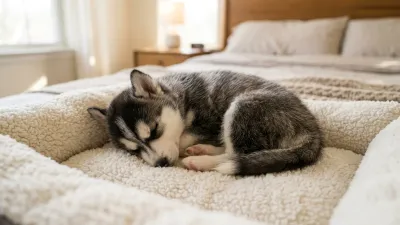
Seeing a young puppy shake, shiver, or tremble can be worrying for any pet parent. While shaking is frequently a harmless reaction to cold air, intense excitement, or normal sleep cycles, it can sometimes signal physical discomfort, hypoglycemia, or stress. Context is everything when evaluating your puppy’s physical reactions.
Look at a puppy’s environment, posture, and energy levels to pinpoint why trembling occurs. Understanding these subtle behavioral and bodily signals helps you can respond effectively and provide immediate comfort.
📋 In This Guide
Common Environmental and Behavioral Causes#
Puppies are highly sensitive to their surroundings. Because their nervous systems and thermoregulation abilities are still developing, minor environmental shifts can cause visible shaking.
Cold Temperatures and Chills#
Young puppies struggle to maintain their core body temperature compared to adult dogs. Fine-coated breeds and smaller puppies lose body heat rapidly in drafty rooms or after bath time. Shivering is the body’s natural reflex to burn energy and generate internal muscle heat.
If your puppy is shivering on hardwood floors or near air conditioning vents, move them to a warmer room immediately. Wrapping them in a cozy fleece blanket or providing a heated crate pad usually stops cold-induced shaking within minutes.
Stress, Fear, and Transition Anxiety#
Moving to a new home, meeting unfamiliar people, or hearing loud noises like thunder can easily overwhelm a young dog. Fear releases adrenaline, which triggers muscular tension and noticeable trembling.
When stress is the trigger, trembling is usually accompanied by tucked ears, a low tail, panting, or lip licking. Creating a calm sanctuary space helps soothe an anxious puppy and lowers their stress response.
Using targeted comforting aids during your puppy’s first few weeks at home can dramatically reduce fear-induced shaking. Warmth paired with a steady rhythmic pulse helps recreate the security of sleeping alongside their mother and littermates.
High Excitement and Anticipation#
Positive emotional overload can also cause shaking. When puppies get extremely excited for mealtime, play sessions, or greeting family members, their nervous system discharges excess energy through muscle tremors. Excitement shaking usually disappears as soon as the puppy receives their food or finishes playing.
💡 Pro Tip: To differentiate excitement shaking from fear, observe the puppy’s tail and ears. Loose, broad tail wags and relaxed forward ears indicate happy excitement, while a tucked tail and flattened ears signal fear or anxiety.
Sleep Twitching vs. Conscious Shaking#
Many puppy owners become concerned when they observe sudden twitching, paw movement, or rapid trembling while their puppy is asleep. Distinguishing between deep sleep movements and waking tremors is key.
REM Sleep Movements#
During rapid eye movement (REM) sleep, puppies dream vividly. Muscle spasms, soft whining, tail flicks, and leg twitches are usually normal during sleep. For more on what is normal at rest, see our guide on why a puppy breathes fast while sleeping.
If the shaking stops the moment you gently wake your puppy, it was simply dream activity. Never disturb a sleeping puppy abruptly, as waking them suddenly can startle them into a defensive reaction.
Seizure Activity#
Unlike dream twitching, a true seizure involves loss of consciousness, rigid limb extension, drooling, or involuntary loss of bodily control. A puppy experiencing a seizure will not wake up or respond to your voice. Seizures require immediate emergency medical attention from a qualified professional.
Medical Causes of Puppy Tremors#
When shaking occurs without environmental triggers like cold weather or fear, an underlying medical issue may be responsible. Identifying physical symptoms early prevents minor issues from becoming severe health crises.
Hypoglycemia (Low Blood Sugar)#
Toy breeds and very young puppies have limited glycogen storage capacity in their liver. Skipping a meal or playing hard without sufficient calorie intake can cause blood sugar levels to crash rapidly, resulting in muscle weakness, wobbliness, and shaking.
Maintaining a consistent feeding schedule is critical for energy stabilization. Consult our breakdown of an appropriate puppy feeding schedule to support your young dog receives balanced nutrition throughout the day.
⚠️ Safety Warning: If your toy-breed puppy is shaking uncontrollably, appears weak, or seems disoriented, rub a tiny drop of Karo syrup or honey onto their gums immediately to raise their blood sugar, then contact a medical professional.
Illness, Fever, and Pain#
Systemic infections or illnesses can cause generalized body shaking. Viral infections like distemper manifest with severe body tremors, nasal discharge, and lethargy. Keeping your pet protected by following a proper puppy vaccination schedule is critical during early development.
Abdominal discomfort, joint pain, or soft tissue injuries also express themselves through localized or full-body trembling. Review our guide on identifying signs of a sick puppy to spot early warning indicators of pain or fever.
Toxin Ingestion#
Curious puppies explore the world with their mouths. Ingesting toxic plants, household chemicals, human medications, or foods like chocolate and xylitol directly affects the central nervous system, leading to severe body tremors, vomiting, and hypersalivation.
If you suspect toxic ingestion, locate the source product if possible and seek emergency veterinary assistance immediately.
Puppy Shaking Cause & Action Matrix#
| Symptom / Cause | Primary Physical Signs | Recommended Action | Severity Level |
|---|---|---|---|
| Cold Environment | Shivering, curled posture, seeking blankets | Wrap in fleece blanket, move to warm room | Low |
| Fear / Anxiety | Trembling, panting, tucked tail, hiding | Provide safe space, use soothing heartbeat toy | Low to Moderate |
| Excitement | Tail wagging, jumping, vocalizing during play | Ignore excess excitement, reward calm behavior | Low |
| REM Dream Sleep | Gentle leg twitching, soft noises while sleeping | Leave sleeping puppy undisturbed | None (Normal) |
| Hypoglycemia | Wobbliness, lethargy, body trembling | Apply honey to gums, feed balanced food | High (Requires immediate action) |
| Illness / Ingestion | Tremors, vomiting, fever, unresponsiveness | Seek emergency professional medical care | Critical |
Step-by-Step Response Protocol for a Shaking Puppy#
If you notice your puppy shaking, follow this structured evaluation process to restore their comfort quickly.
- Assess the Room Temperature: Feel your puppy’s ears and footpads. If they feel cold to the touch, move them to a cozy area, wrap them in a warm blanket, and eliminate cool drafts.
- Check for Stress Factors: Identify recent changes in the environment. Are loud noises occurring? Is a strange animal nearby? Remove the stressor or offer a high-value distracter item like a stuffed chew toy.
- Evaluate Energy and Meal History: Determine when your puppy last ate. If several hours have passed and the puppy appears weak alongside shaking, offer a small portion of digestible puppy food immediately.
- Observe Consciousness and Posture: Check if the puppy is alert, responding to their name, and breathing normally. If the puppy is unresponsive, rigid, or showing distress, seek professional emergency support immediately.
H3: Why is my puppy shaking in their sleep?#
Sleep shaking in puppies is almost always normal REM dream activity. During deep sleep cycles, puppies process daily experiences, resulting in gentle leg twitches, facial spasms, and muffled barks. If your puppy wakes up alert and happy, sleep twitching is no cause for concern.
H3: When does puppy shaking require emergency care?#
Emergency care is necessary if the shaking is accompanied by continuous vomiting, extreme lethargy, glassy eyes, loss of balance, sudden inability to stand, or unresponsiveness. Severe tremors caused by toxin ingestion or seizures require immediate medical evaluation.
H3: How can I tell if my puppy is trembling from anxiety or cold?#
A cold puppy will actively seek heat sources, curl tightly into a ball, and warm up quickly once wrapped in a blanket. An anxious puppy will display specific stress body language, such as lip licking, yawning, whites of the eyes showing (whale eye), and a tucked tail, regardless of room temperature.
Snuggle Puppy Heartbeat Plush Toy
The original Snuggle Puppy uses a real-feel pulsing heartbeat and heat pack to naturally calm crying and anxiety in young puppies.
Summary: Action Plan for a Shaking Puppy#
Most cases of puppy shaking stem from benign environmental triggers like minor chills, normal dream sleep, or temporary excitement. By observing your puppy’s overall posture and environment, you can quickly address basic comfort needs using warm bedding, predictable routines, and comforting stress-relief tools.
Always maintain a consistent feeding schedule to avoid blood sugar dips, keep vaccinations current, and monitor your home for potential toxins. If shivering persists despite warming and calming efforts, or if accompanied by signs of physical distress, talk to your vet about a full check.